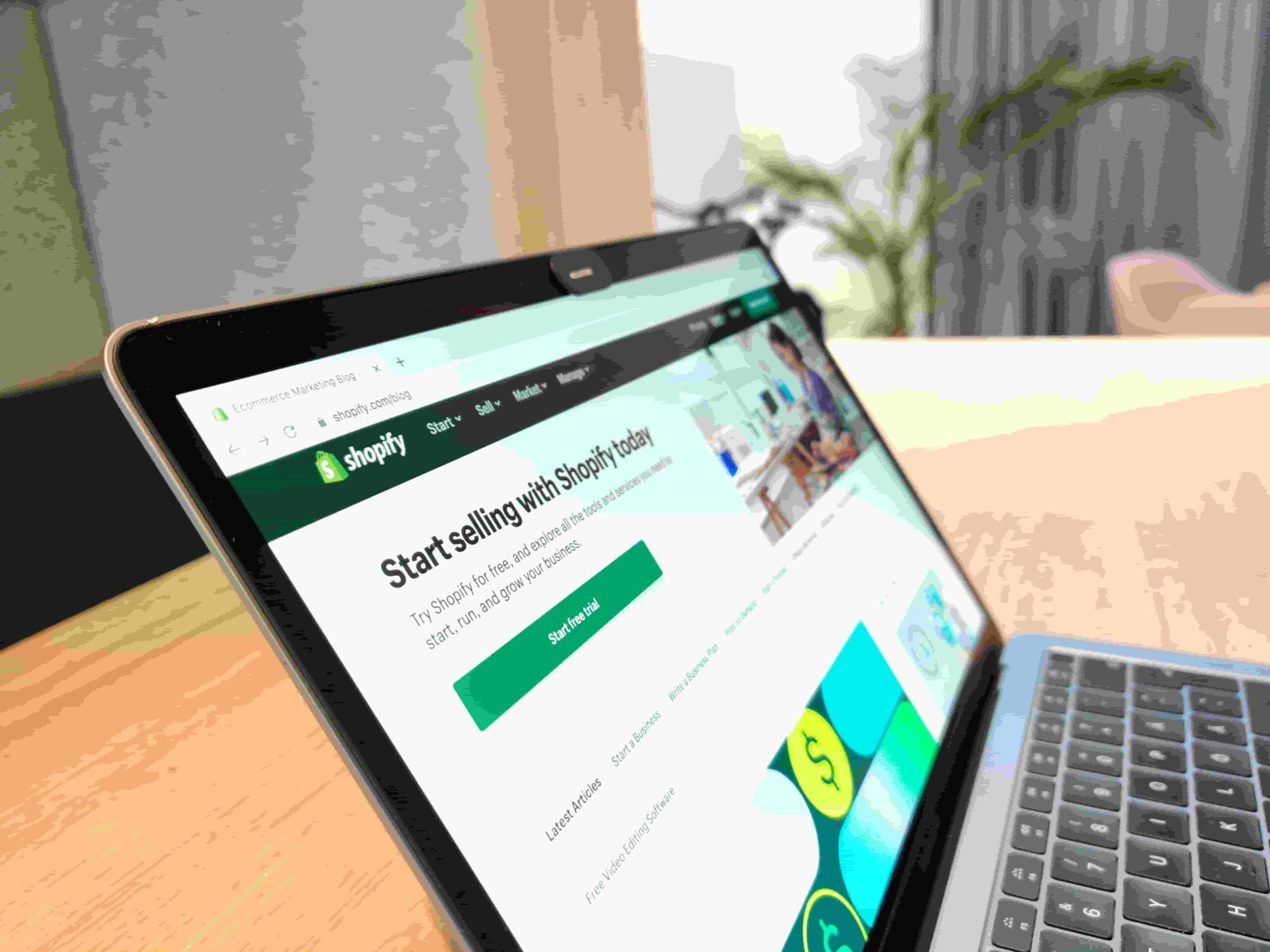

From Website to Mobile App: Why Businesses Are Going Cross-Platform
Digital consumer behavior has changed dramatically over the last few years. While websites remain essential, businesses are increasingly expanding beyond the browser by launching mobile apps and adopting cross-platform strategies.
The shift from website-only presence to cross-platform ecosystems is no longer a trend — it’s a strategic move driven by performance, engagement, and customer expectations.
The Rise of Mobile-First Users
Today, most users interact with brands through their mobile devices. From browsing products to booking services and making payments, smartphones have become the primary touchpoint.
Websites are powerful, but mobile apps offer a faster, more personalized, and more engaging experience. Businesses that adapt to mobile-first behavior are better positioned to retain customers and increase lifetime value.
What Does Cross-Platform Really Mean?
A cross-platform strategy means delivering a consistent experience across multiple platforms, including:
Websites
iOS and Android mobile apps
Progressive Web Apps (PWAs)
Tablets and other connected devices
The goal is not to replace the website, but to extend functionality and accessibility across platforms where users already spend their time.
Why Businesses Are Investing in Mobile Apps
Mobile apps offer advantages that traditional websites cannot fully match.
Key benefits include:
Faster performance compared to mobile browsers
Push notifications for direct user engagement
Offline access to key features
Personalized user experiences
Higher retention and repeat usage
These benefits make mobile apps especially valuable for eCommerce, SaaS, fitness, education, and service-based businesses.
Improved Customer Engagement and Retention
Websites rely heavily on users returning voluntarily. Mobile apps, on the other hand, stay present on the user’s device.
With features like push notifications, saved preferences, and in-app messages, businesses can re-engage users instantly. This leads to stronger relationships and higher conversion rates over time.
Cost-Effective Cross-Platform Development
Modern development frameworks allow businesses to build apps that work across multiple platforms using a single codebase. This reduces development time and cost while maintaining performance and scalability.
Cross-platform solutions make mobile apps accessible not only to large enterprises, but also to startups and growing businesses.
Seamless Integration with Existing Systems
Mobile apps can integrate directly with existing websites, CRMs, payment gateways, analytics tools, and marketing platforms.
This creates a unified ecosystem where data flows smoothly between platforms, helping businesses make smarter decisions and deliver consistent user experiences.
When Should a Business Go Cross-Platform?
Not every business needs an app immediately. However, cross-platform expansion makes sense when:
Users return frequently
Personalization improves conversions
Speed and performance are critical
Engagement and retention are business priorities
In these cases, a mobile app becomes a strategic asset rather than an extra feature.
Final Thoughts
Websites remain the foundation of any digital presence, but mobile apps unlock new levels of engagement, loyalty, and growth. Businesses that adopt cross-platform strategies gain a competitive edge by meeting users where they are — across all devices.
At Amonit Media, we help businesses design and develop scalable cross-platform solutions that connect web and mobile seamlessly, ensuring long-term digital success.