The Power of Design: How UI & UX Shape Customer Decisions
In the digital era, your website is often the first impression customers have of your business. Before reading your content or understanding your services, users judge your brand based on how your website looks and feels. This is where UI (User Interface) and UX (User Experience) play a critical role in shaping customer decisions.
A well-designed website does more than look attractive. It builds trust, improves engagement, and guides users toward taking action.
Understanding UI and UX Design
Although UI and UX are closely related, they serve different purposes.
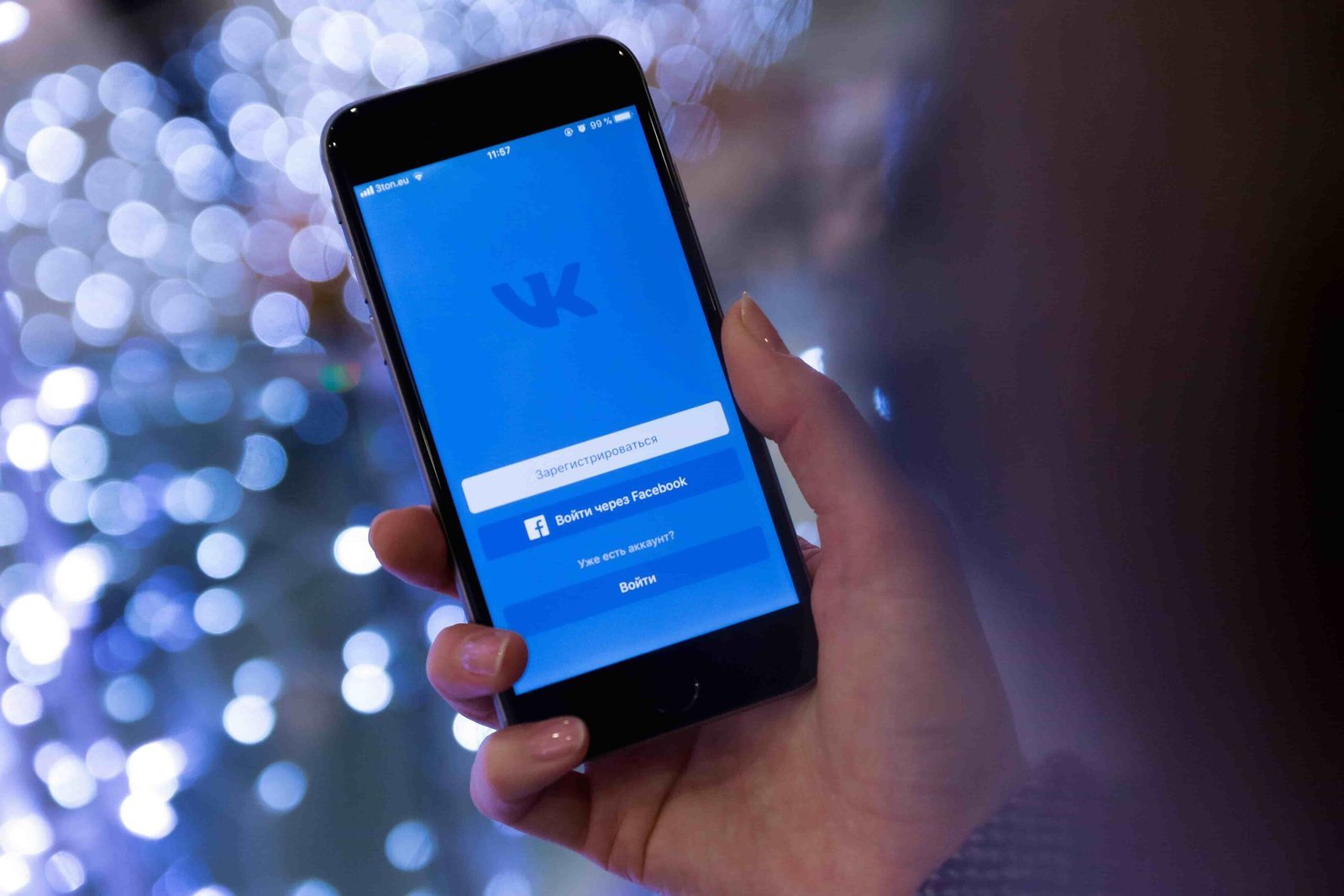
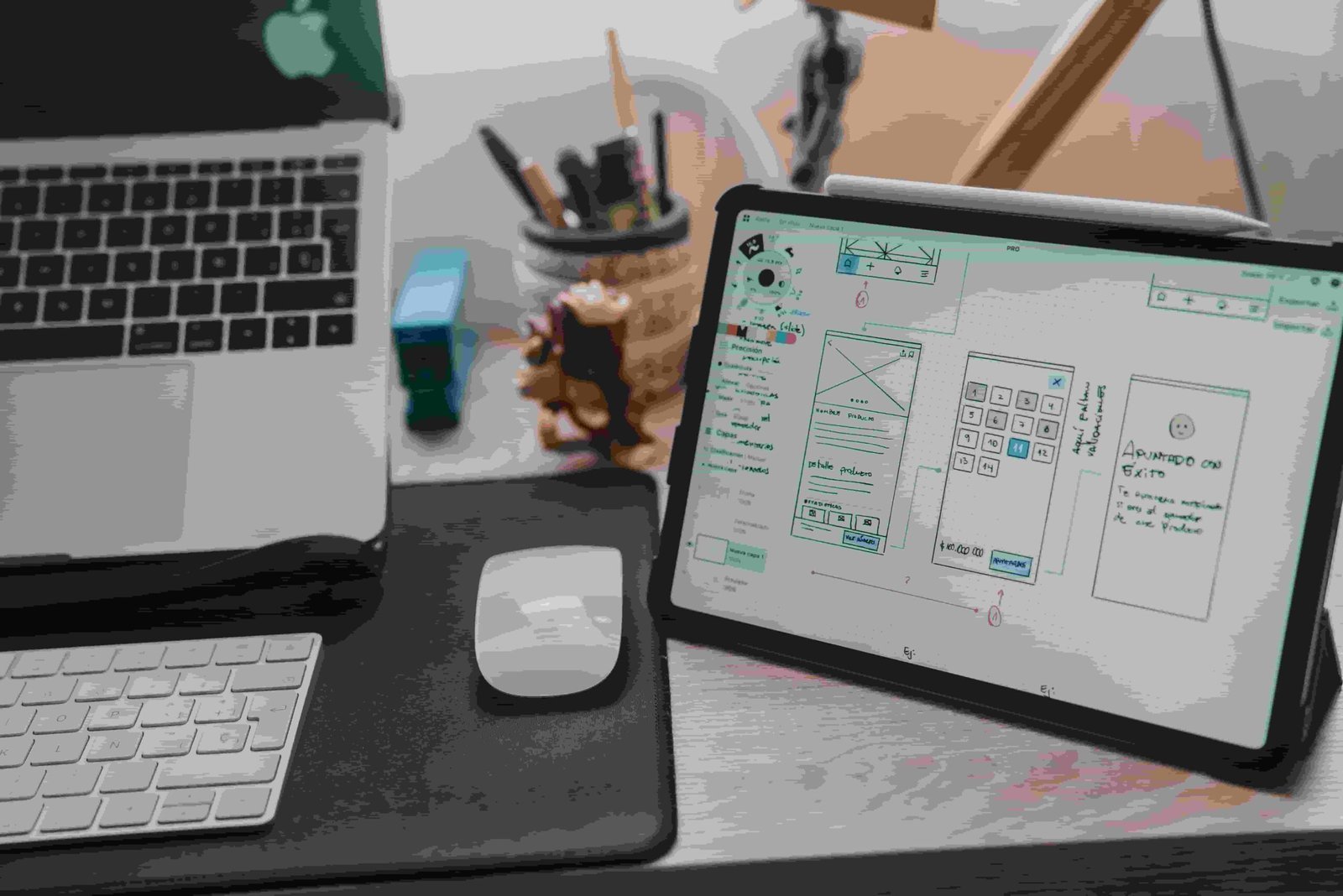
UI design focuses on visual elements such as colors, typography, buttons, icons, and layouts. UX design focuses on the overall experience, including navigation, usability, page flow, and performance.
When UI and UX work together effectively, users find your website intuitive, professional, and easy to interact with.
First Impressions Matter More Than You Think
Studies show that users form an opinion about a website within seconds. If your website looks outdated, cluttered, or confusing, visitors are likely to leave immediately.
A clean and modern UI helps communicate professionalism and credibility. Clear navigation and consistent design elements make users feel confident about your brand from the first interaction.
How UI & UX Build Trust
Trust is a major factor in customer decision-making. Good UI and UX design help establish trust by:
Creating a consistent brand experience
Making information easy to find
Reducing confusion and frustration
Providing clear calls to action
When users can navigate your website effortlessly, they are more likely to trust your business and move forward.
UX Design and Conversion Rates
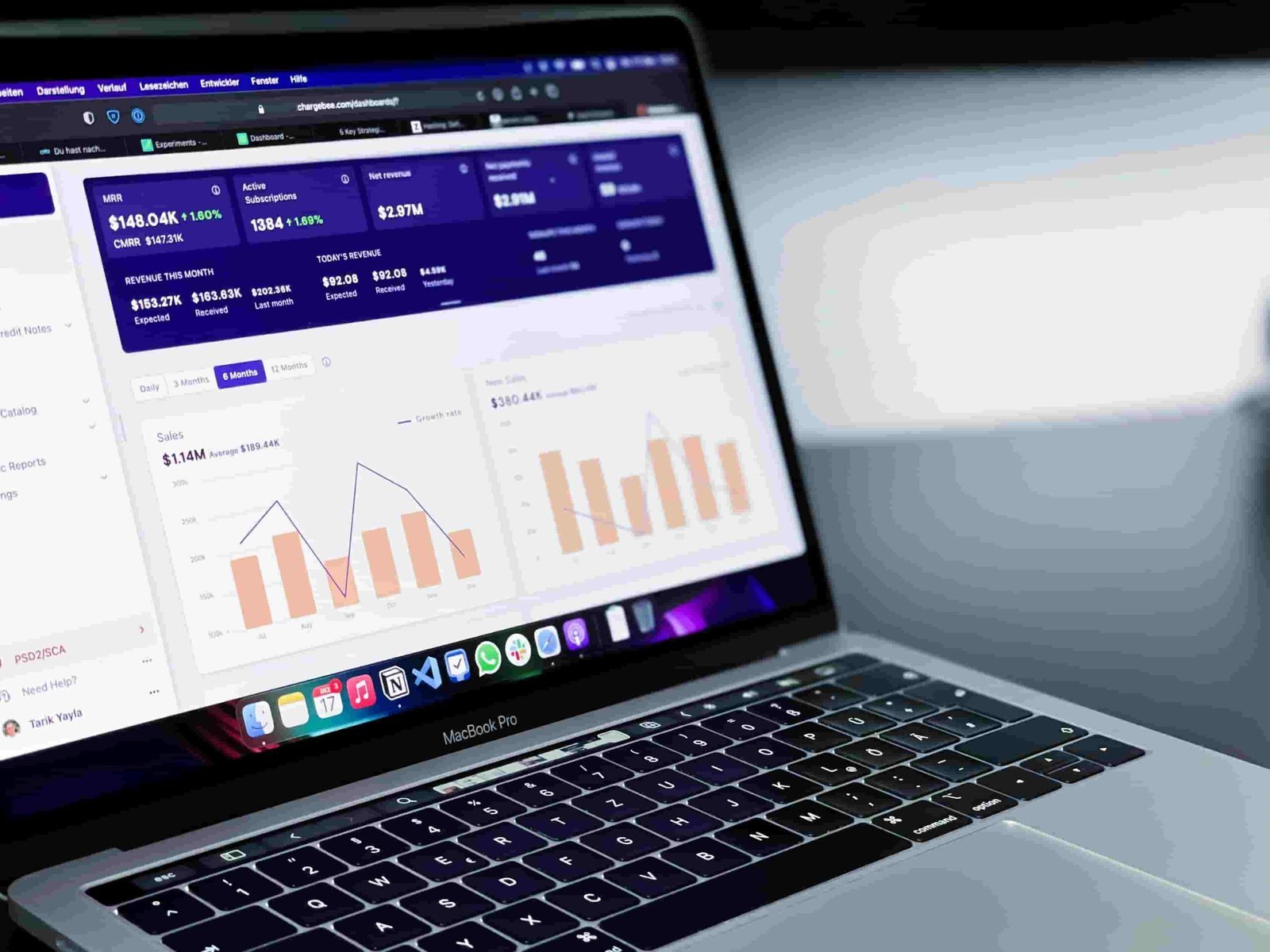
UX design has a direct impact on conversions. A smooth user journey removes obstacles and makes it easier for customers to take action.
Examples of UX elements that improve conversions include:
Simple and well-structured forms
Clear and visible call-to-action buttons
Fast-loading pages
Mobile-friendly layouts
Even small UX improvements can lead to significant increases in leads and sales.
The Psychological Impact of Design
Design influences emotions, and emotions influence decisions. Colors, spacing, imagery, and typography all play a role in how users feel when browsing your website.
A calm, organized layout helps users focus. Strategic contrast highlights important elements. Visual hierarchy guides visitors naturally through your content, making decision-making easier.
UI & UX as a Competitive Advantage
In competitive markets, businesses often offer similar products or services. What sets successful brands apart is the experience they deliver.
Investing in UI and UX design helps businesses:
Increase user engagement
Reduce bounce rates
Strengthen brand perception
Improve overall customer satisfaction
A well-designed website doesn’t just attract visitors — it keeps them engaged.
Final Thoughts
UI and UX design are not optional features. They are essential components of a successful digital strategy. Every design choice influences how customers perceive your brand and whether they decide to trust you.
At Amonit Media, we focus on creating user-centered designs that combine strategy, performance, and aesthetics. Great design is not just about appearance — it’s about delivering results.