
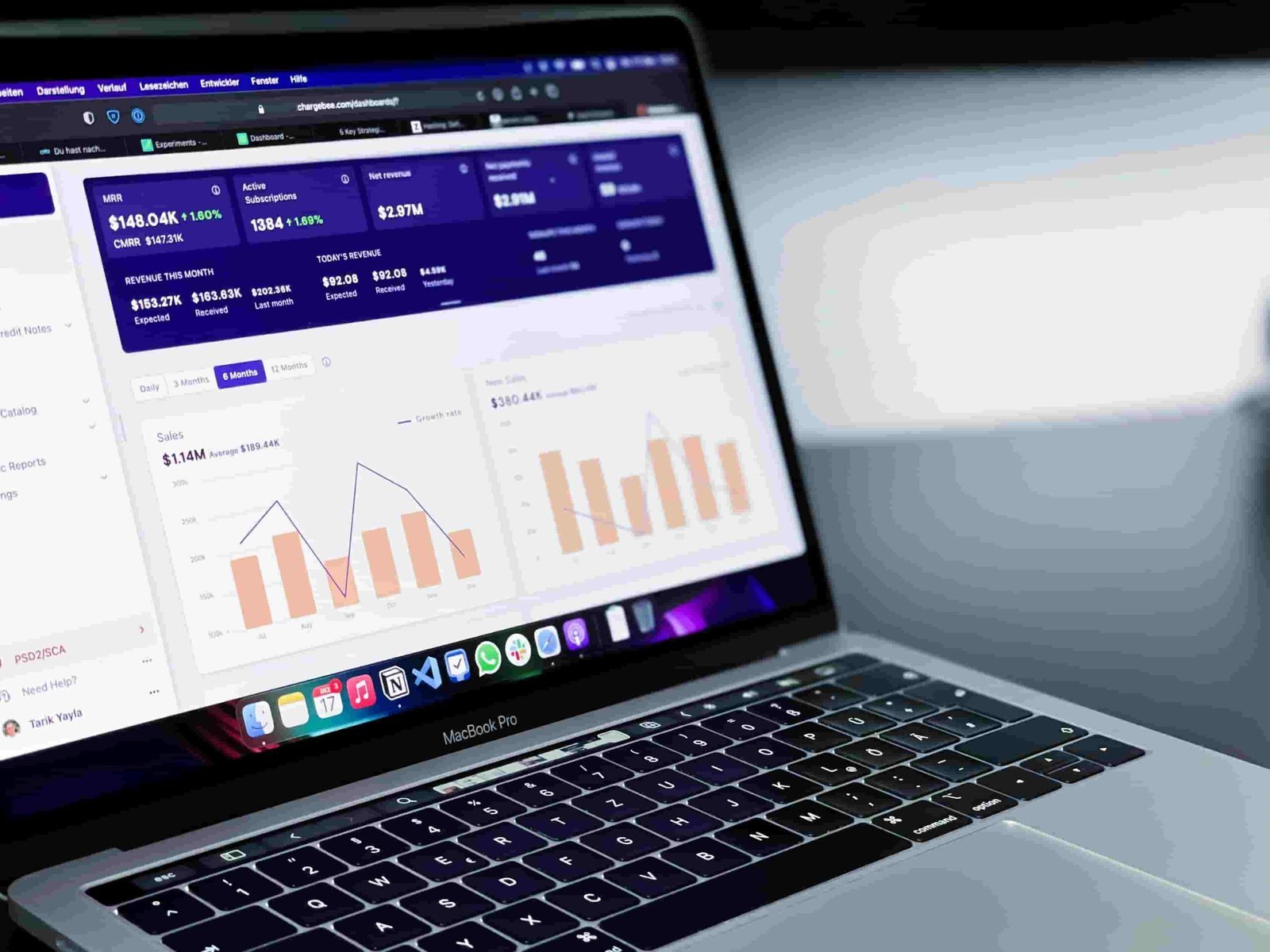
The Future of Conversion Tracking: Meta, Google, and HubSpot API
Conversion tracking is evolving rapidly. With increasing privacy regulations, browser restrictions, and the decline of third-party cookies, traditional client-side tracking is no longer reliable. Businesses that depend on accurate marketing data must adapt to new, more robust tracking methods.
This shift has positioned server-side tracking and platform APIs—such as Meta Conversion API, Google Ads API, and HubSpot API—as the future of digital measurement.
Why Traditional Tracking Is Failing
For years, conversion tracking relied heavily on browser-based pixels and cookies. Today, this approach faces serious challenges:
Browser privacy features block third-party cookies
Ad blockers prevent pixel execution
iOS privacy updates limit data sharing
Inconsistent tracking across devices
As a result, businesses see incomplete data, underreported conversions, and reduced ad performance.
The Shift to Server-Side Tracking
Server-side tracking moves data collection away from the browser and into a secure backend environment. Instead of relying solely on pixels, events are sent directly from servers to advertising and analytics platforms.
This approach offers:
Higher data accuracy
Better resilience against ad blockers
Improved cross-device tracking
Greater control over data handling
Server-side tracking has become essential for modern marketing stacks.
Meta Conversion API (CAPI)
Meta Conversion API allows businesses to send conversion events directly from their servers to Meta platforms like Facebook and Instagram.
Key benefits include:
Improved event match quality
Better attribution accuracy
Reduced data loss from blocked pixels
Stronger campaign optimisation
By combining browser pixel data with server-side events, businesses gain a more complete view of customer behavior.
Google Ads API and Enhanced Conversions
Google’s approach to future-proof tracking focuses on Enhanced Conversions and the Google Ads API.
These tools allow advertisers to:
Send hashed first-party customer data securely
Improve conversion attribution accuracy
Maintain performance despite cookie restrictions
Integrate deeply with CRM and backend systems
Google’s API-based tracking ensures advertisers continue to measure and optimise campaigns effectively in a privacy-first environment.
HubSpot API and First-Party Data
HubSpot plays a crucial role by centralising customer data and enabling first-party tracking strategies.
Using the HubSpot API, businesses can:
Sync leads and conversion events directly from backend systems
Track the full customer journey across touchpoints
Align marketing, sales, and CRM data
Build reliable attribution models
First-party data is becoming the most valuable asset in modern marketing, and HubSpot is a key enabler.
Privacy, Compliance, and Data Control
Modern tracking solutions are designed with privacy in mind. Server-side APIs allow businesses to control what data is sent, how it is hashed, and where it is stored.
This helps organisations:
Comply with GDPR and privacy regulations
Reduce dependency on third-party cookies
Build trust with users through transparent data handling
Privacy-focused tracking is not just a requirement—it’s a competitive advantage.
What the Future Looks Like
The future of conversion tracking is:
Server-side by default
Built on first-party data
API-driven and platform-integrated
Privacy-compliant and transparent
Businesses that adopt these technologies early gain more accurate insights, better ad performance, and long-term scalability.
Final Thoughts
As digital advertising continues to evolve, accurate measurement is no longer optional. Meta, Google, and HubSpot APIs represent the next generation of conversion tracking—offering reliability, control, and future readiness.
At Amonit Media, we help businesses implement server-side tracking solutions that integrate seamlessly with Meta, Google, and HubSpot, ensuring accurate data and smarter marketing decisions.